

Pink Beach Snorkeling Guide
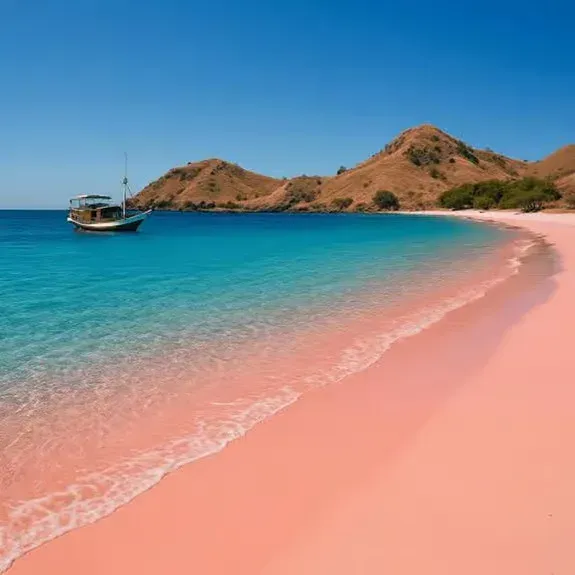
Pink Beach is one of Komodo's most recognizable coastal stops because it feels almost unreal in the right light: pale sand, clear water, and a shoreline that travelers naturally want to photograph. It should still be planned as a fragile natural site, not just a photo background. The color, snorkeling comfort, route timing, and conservation behavior all matter.
The short answer
Choose Pink Beach if you want a scenic beach and light snorkeling stop inside a Komodo route. Do not choose it expecting guaranteed beach color, perfect visibility, or full facilities. Treat it as a natural stop where timing, conditions, and visitor behavior shape the experience.
Why Pink Beach needs responsible planning
Indonesia Travel specifically warns visitors not to take sand or shells, not to touch coral while snorkeling, and to dispose of trash properly. That guidance should be central to the article, not hidden at the end. The beach is beautiful because it is delicate.
Pink Beach can fit into one-day, private, or sailing routes, but the quality of the stop depends on boat timing, sea state, group pace, and how much the itinerary is already trying to do.
Who it suits best
- First-time Komodo travelers who want a scenic beach stop.
- Honeymooners seeking a romantic coastal moment.
- Families wanting a gentler stop than current-heavy snorkeling.
- Travelers who respect conservation rules.
Not ideal for
- Visitors expecting guaranteed pink color in every condition.
- Travelers who want to take sand, shells, or coral.
- Groups expecting full beach facilities.
- Routes already overloaded with too many stops.
Pink Beach planning table
| Factor | Why it matters | What to ask |
|---|---|---|
| Route timing | A rushed stop reduces beach and snorkeling quality. | How long is realistic at Pink Beach? |
| Conservation | The beach and reef are fragile. | What visitor behavior is expected? |
| Snorkeling | Current and visibility can vary. | Is it suitable for children or weak swimmers? |
| Dry-season planning | Often easier for beach planning. | What should we expect for our month? |
| Cash and facilities | Remote stops may have limited services. | What should we bring separately? |
Conservation rules travelers should follow
Do not take sand or shells. Do not touch coral. Do not stand on reef. Do not leave waste. Use reef-conscious behavior and follow the guide's entry and exit instructions. These rules are not only ethical; they protect the reason travelers want to visit.
How Pink Beach fits the route
Pink Beach pairs well with Padar, dragon viewing, or a focused private route, but it should not be squeezed so tightly that the stop becomes only a rushed photo. Honeymooners may want more time there; families may need shade and gentle pacing; snorkelers should ask about current and visibility.
How to make Pink Beach more than a photo stop
Pink Beach works best when travelers slow down enough to understand why the place is fragile. The color comes from natural conditions that should be left undisturbed. The reef and shoreline are part of the experience, not props for a photo.
A premium route should give enough time for the beach to feel calm, while still respecting conservation. If the stop is rushed, travelers may only take photos and miss the reason responsible behavior matters.
Snorkeling fit
Pink Beach can be gentler than more current-sensitive sites, but it is still a marine environment. Ask about visibility, entry points, coral awareness, and whether children or weak swimmers should enter the water. Do not stand on coral or kick the reef while adjusting gear.
Route pairing advice
Pink Beach pairs well with Padar for a scenic route, with dragon viewing for a balanced land-and-beach day, or with a private charter for honeymoon pacing. The best pairing depends on whether the group wants photos, rest, snorkeling, or a first-time overview.
Komodostar conservation planning angle
Pink Beach feels more premium when the route is handled with restraint. A good visit is not only about reaching a beautiful place; it is about behaving well there. Conservation reminders, route timing, and honest snorkeling advice protect both the guest experience and the destination.
For a premium route, Pink Beach should not be reduced to a rushed camera stop. Give the group enough time to understand the shoreline, prepare for the water if snorkeling is suitable, and leave without disturbing the sand, shells, coral, or waste conditions.
FAQ
Can I take sand from Pink Beach?
No. Leave sand, shells, coral, and natural materials where they are.
Is Pink Beach always visibly pink?
No. Color impression can vary with light, conditions, and perspective.
Can I snorkel at Pink Beach?
Often yes, but current, visibility, and guide instructions matter.
Is Pink Beach good for families?
It can be, especially compared with stronger-current snorkeling stops, but facilities and route timing should be confirmed.
Should I bring cash?
Yes, bring reasonable cash for separate expenses because remote stops may have limited facilities.
What should I avoid?
Do not touch coral, stand on reef, take natural materials, or leave trash.
How can Komodostar help?
Send your route priorities, group profile, and travel month on WhatsApp. Ask how Pink Beach fits without overloading the itinerary.
Plan this trip with Komodostar
Link to Pink Beach destination and relevant Komodo packages. Komodostar can confirm route access, timing, boat fit, and what should be checked again for your travel date.
For the fastest next step, contact Komodostar or chat on WhatsApp with your travel date, group size, hotel or flight timing, and the stops you care about most.