

Manta Point Snorkeling Guide
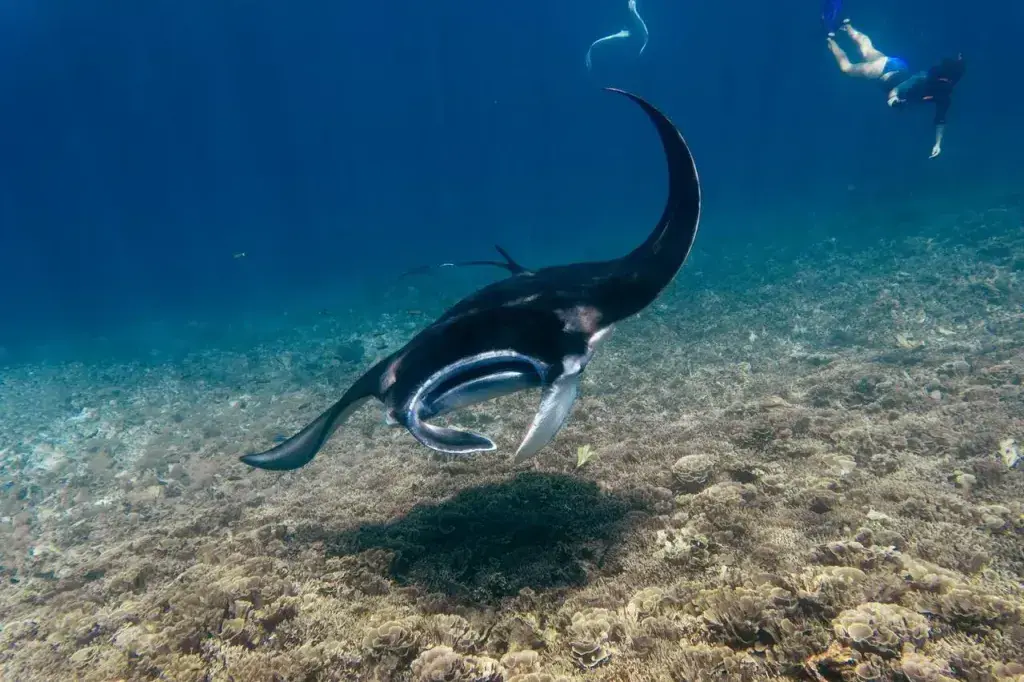
Manta Point is one of those Komodo names that immediately raises expectations. Travelers imagine dark shapes moving through blue water and a snorkeling stop that becomes the highlight of the day. It can be special, but it needs wildlife realism and current-aware decisions. Mantas are wild animals, and sightings are never guaranteed.
The short answer
Choose Manta Point if your group is comfortable with condition-dependent snorkeling and understands that current, visibility, and wildlife movement shape the experience. Weak swimmers should tell the operator before booking so the route can include support or alternatives.
Why Manta Point needs honest planning
A strong Manta Point experience depends on more than arriving at the location. The crew needs to consider current, visibility, swimmer confidence, group behavior, and whether the stop is suitable on the day. If conditions are not right, adjusting the plan is responsible.
UNESCO highlights Komodo's coral-rich waters and strong currents, and Indonesia Travel describes the park's marine biodiversity, including manta rays. That makes Manta Point compelling, but also a place where conservation and safety matter.
Who it suits best
- Snorkeling-focused travelers who accept wildlife uncertainty.
- Guests comfortable following crew instructions in open water.
- Private-route groups that want flexibility around timing.
- Travelers who value conservation behavior over chasing photos.
Not ideal for
- Travelers expecting guaranteed manta sightings.
- Weak swimmers who have not discussed support needs.
- Guests unwilling to follow crew guidance.
- Families needing a very predictable water stop.
Manta Point planning table
| Factor | Why it matters | What to ask |
|---|---|---|
| Current | Affects safety and comfort. | Is the stop suitable for our swimmer level? |
| Visibility | Affects what guests can see. | What alternatives exist if visibility is poor? |
| Wildlife movement | Mantas cannot be scheduled. | How do you set expectations before departure? |
| Group behavior | Marine life should not be chased or crowded. | What are the snorkeling rules? |
| Private routing | Can improve timing flexibility. | Can the route adapt if conditions shift? |
Conservation behavior
Do not chase, touch, block, or crowd mantas or other marine life. Stay calm, follow crew direction, and keep fins away from coral. The goal is to observe responsibly, not force an encounter.
How to decide if your group should go
If everyone is confident in water and excited about snorkeling, Manta Point can be a strong priority. If the group has weak swimmers, children, or nervous guests, ask whether Taka Makassar, Pink Beach, or another route gives a better balance.
How to prepare before entering the water
Before snorkeling, listen to the crew briefing and be honest about your ability. If you are nervous in current, say so before entering the water. If you need a life jacket or closer support, ask early. Pride is not useful in a marine environment.
Keep the group calm. Manta encounters, when they happen, are better when travelers float respectfully instead of splashing toward the animal. The experience should be quiet, observant, and guided.
How to pair Manta Point with other stops
Manta Point pairs naturally with Taka Makassar for a water-focused day, but that can be too much for weak swimmers or families needing predictability. It can also pair with Padar or Pink Beach if the route is balanced. Tell Komodostar whether the trip is snorkeling-first or mixed-interest.
When to skip or adjust the stop
If current is uncomfortable, visibility is poor, or the group lacks confidence, adjusting the stop is the right decision. A missed manta attempt is better than forcing a water entry that does not suit the group.
Komodostar snorkeling planning angle
Manta Point is best framed as a privilege, not a guarantee. A trustworthy plan asks about swimmer confidence, explains current and visibility, and prepares guests for alternative stops if the water does not suit the group. That honesty makes the route feel more professional, not less exciting.
For a premium guest experience, the briefing should feel calm and precise: where to enter, where to look, how to stay with the group, and when to return to the boat. That preparation helps guests enjoy the water without treating the encounter like a chase.
FAQ
Are manta sightings guaranteed?
No. Mantas are wild animals, and sightings depend on conditions and wildlife movement.
Is Manta Point safe for weak swimmers?
It depends on current, visibility, and crew support. Weak swimmers should discuss this before booking.
Can children snorkel at Manta Point?
Sometimes, but only if conditions and support are suitable for their ability.
What should I bring?
Bring sun protection, swimwear, a rash guard if needed, water, and any personal medicine. Confirm gear availability.
What should I avoid doing?
Do not chase, touch, block, or crowd marine life. Follow crew instructions.
Is private charter better for Manta Point?
It can improve flexibility, but it still cannot guarantee sightings or conditions.
How can Komodostar help?
Send swimmer confidence, group profile, and route priorities on WhatsApp. Ask whether Manta Point is realistic for your date and group.
Plan this trip with Komodostar
Link to Manta Point and private charter consultation. Komodostar can confirm route access, timing, boat fit, and what should be checked again for your travel date.
For the fastest next step, contact Komodostar or chat on WhatsApp with your travel date, group size, hotel or flight timing, and the stops you care about most.