

Komodo Dragon Safety Guide for Visitors
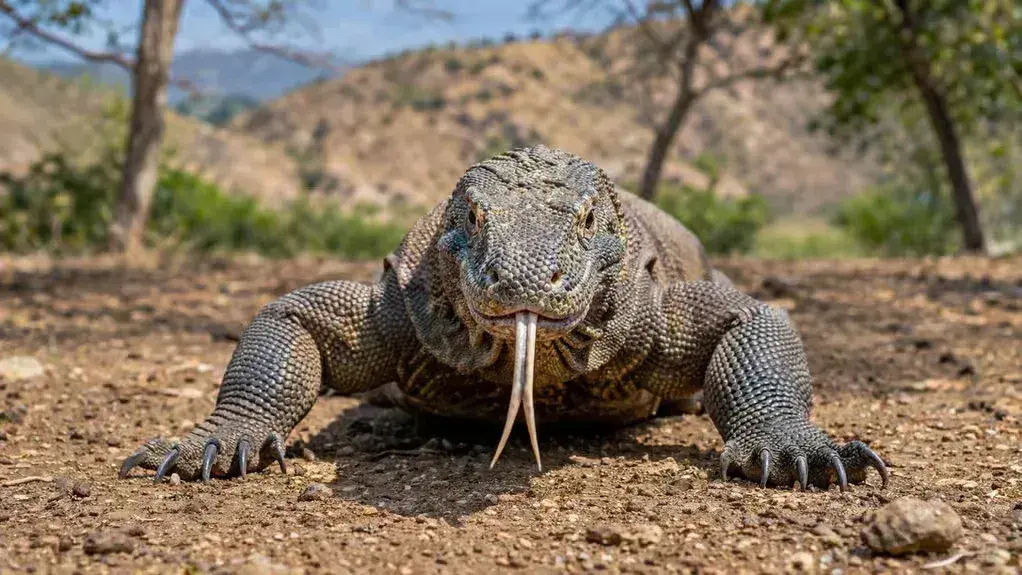
Seeing a Komodo dragon in its natural landscape is one of the most unforgettable reasons to visit Komodo National Park. It feels different from seeing an animal in a controlled attraction because the setting is real: dry island terrain, ranger guidance, and a protected habitat where visitors need to behave carefully. Treat the visit as a ranger-led wildlife encounter, not a casual photo stop.
The short answer
Choose a route with a dragon visit if your group understands that sightings are not guaranteed and visitor behavior must follow ranger guidance. Families, elderly guests, and heat-sensitive travelers should confirm the walking level and route timing before booking.
Why ranger guidance matters
Komodo dragons are wild animals. The visit is managed because the animals, landscape, and visitors all need protection. Do not run, approach, feed, tease, or separate from the group. Stay behind the ranger's instructions and treat the encounter as wildlife viewing, not a staged attraction.
UNESCO identifies Komodo National Park as the habitat of the Komodo dragon and a conservation-priority landscape. That context matters: visitors are entering a protected environment where behavior should be calm and controlled.
Who it suits best
- Travelers who want a ranger-managed wildlife experience.
- Families with children who can follow instructions.
- Visitors who understand sightings depend on conditions.
- Groups comfortable with heat, walking, and outdoor terrain.
Not ideal for
- Travelers expecting guaranteed dragon photos.
- Children who cannot stay close or follow instructions.
- Guests unwilling to follow ranger direction.
- Heat-sensitive travelers who have not discussed route timing.
Dragon visit safety table
| Situation | Safe planning response | What to ask |
|---|---|---|
| Children joining | Keep them close and brief them before arrival. | Is the walk suitable for their age and attention span? |
| Wildlife sighting | Stay calm and follow ranger direction. | Where should guests stand and how far back? |
| Heat or mobility issue | Use a route and timing that fits the group. | How long is the walk and how exposed is it? |
| Food or loose items | Keep items secured and avoid attracting wildlife. | What should we leave on the boat? |
| No sighting | Accept that wildlife is not guaranteed. | What other stops balance the route? |
Family and group planning
Parents should explain the rules before the visit: stay close, do not run, do not shout near wildlife, and listen to the ranger. Groups should avoid spreading out just to get photos. The best experience is calm, respectful, and well managed.
If elderly guests or anyone with knee, heat, or mobility concerns is joining, tell Komodostar before the route is confirmed. The dragon visit should fit the group, not be added automatically without checking comfort.
What to bring and wear
Wear light clothing, sun protection, and footwear suitable for dusty or uneven paths. Bring water and personal medicine. Avoid carrying loose food during the walk unless the ranger or operator confirms how items should be handled.
How to make the wildlife visit meaningful
A dragon visit should feel like entering a protected habitat, not checking off a mascot. The story matters: Komodo dragons live in a landscape of dry savanna, rugged islands, and conservation pressure. Visitors get more from the experience when they understand why the encounter is managed.
Before arrival, brief the group on behavior. Keep phones and cameras secondary to ranger instructions. If children are joining, explain that calm movement is part of the experience. If the group does not see a dragon, the visit can still be valuable as a guided conservation walk.
Route pairing advice
Pair a dragon visit with Padar or Pink Beach only when the route has enough time. A rushed wildlife stop can make guests inattentive, hot, and impatient. If the dragon visit is the main reason for the trip, make it a priority rather than a leftover stop.
Komodostar wildlife planning angle
Dragon viewing is best understood as a respectful conservation experience. The strongest advice is calm and practical: follow the ranger, keep children close, secure loose food or items, and accept that wildlife cannot be scheduled. That tone is more trustworthy than dramatic animal language.
FAQ
Can I see Komodo dragons without a ranger?
No. Treat dragon viewing as a ranger-led wildlife encounter and follow park guidance.
Are dragon sightings guaranteed?
No. Komodo dragons are wild animals, and sightings depend on conditions and route access.
Is a dragon visit safe for children?
It can be suitable if children can stay close, stay calm, and follow instructions.
What should visitors avoid?
Do not run, feed wildlife, approach dragons, separate from the group, or ignore ranger instructions.
What should I wear?
Wear grippy footwear, sun protection, and light clothing suitable for heat and uneven ground.
Can the dragon visit be combined with Padar or Pink Beach?
Often yes, depending on route timing, boat type, and conditions. Avoid overloading the day.
How can Komodostar help?
Send your group profile, children ages, mobility concerns, and must-see stops on WhatsApp. Ask whether the dragon visit fits your route safely and realistically.
Plan this trip with Komodostar
Link to Komodo destination and packages that include ranger-managed visits. Komodostar can confirm route access, timing, boat fit, and what should be checked again for your travel date.
For the fastest next step, contact Komodostar or chat on WhatsApp with your travel date, group size, hotel or flight timing, and the stops you care about most.