

How to Choose a Komodo Tour Operator in Labuan Bajo
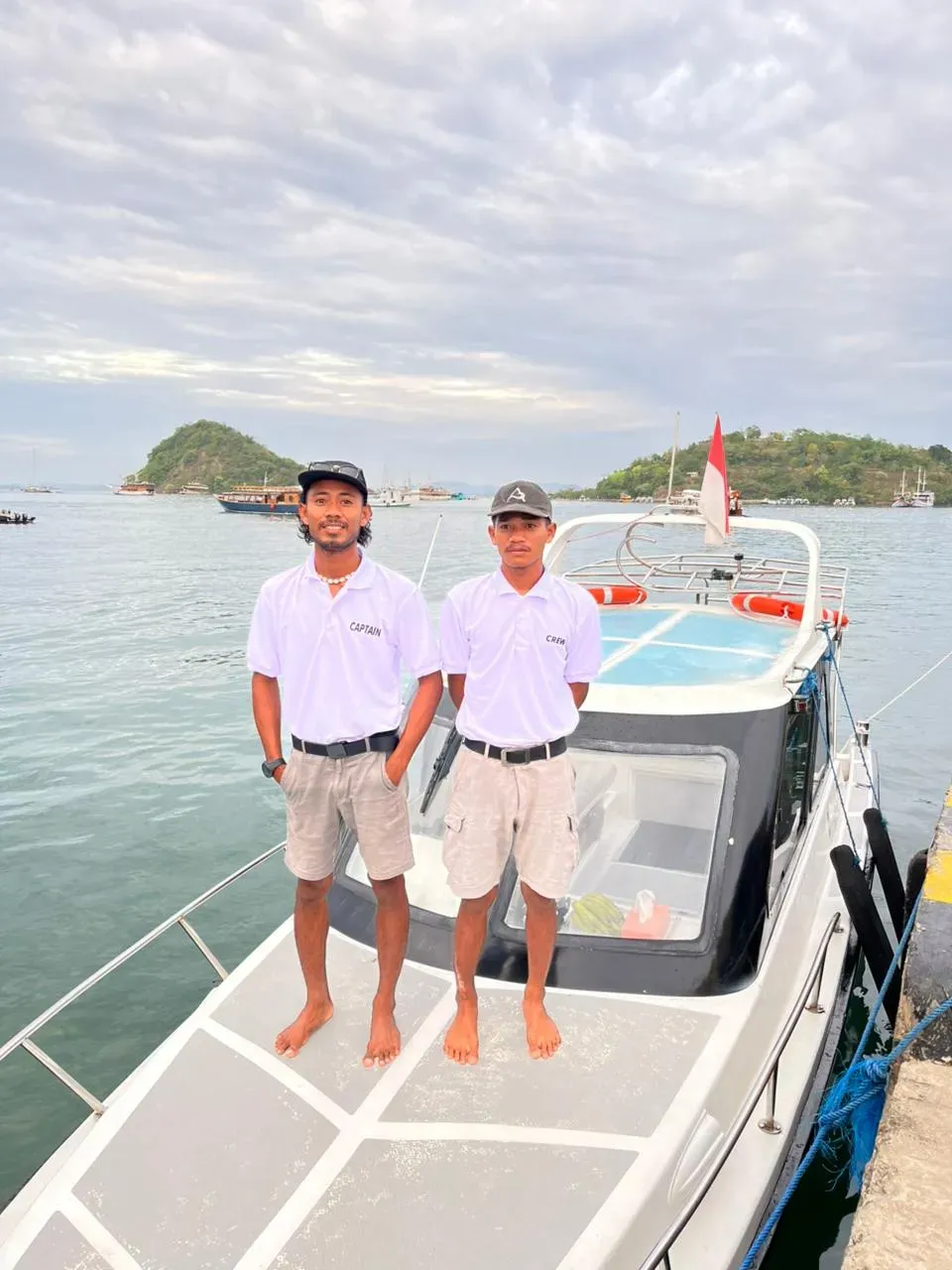
The right Komodo tour operator can change the whole feeling of a Labuan Bajo trip. It is not only about who lists the most stops or uses the strongest promise. It is about who helps you understand the sea day ahead, the route choices that matter, and the small planning details that decide whether the trip feels smooth or rushed. A good operator explains route realism, inclusions, safety support, weather flexibility, and guest fit before you pay.
The short answer
Choose an operator that asks useful questions before selling: your travel date, group size, arrival timing, preferred stops, swimming confidence, mobility concerns, comfort expectations, and whether children or elderly guests are joining. Those questions show that the operator is shaping the trip, not just selling a route name.
What good communication sounds like
A credible operator should be able to explain why a route works for your date and group. They should not treat Padar, Pink Beach, Manta Point, Taka Makassar, and dragon viewing as guaranteed outcomes. Komodo is a real marine and wildlife environment; weather, current, visibility, route access, and park guidance can all affect the day.
Good communication also means clear inclusions. Ask what is included in the package, what is separate, what gear is provided, what pickup looks like, and how the team handles route changes. If you are traveling as a family, couple, or group, ask how the plan changes for your needs instead of accepting a generic itinerary.
Who it suits best
- First-time Komodo travelers comparing direct operators and online listings.
- International guests who need clear English communication and practical route advice.
- Families, honeymooners, and groups that need more than a standard shared itinerary.
- Travelers who care about safety support, conservation behavior, and realistic conditions.
Not ideal for
- Travelers who only want the lowest visible offer.
- Guests unwilling to share route priorities or personal constraints.
- Anyone expecting a guaranteed wildlife, weather, or exact-stop promise.
Operator vetting table
| Signal | Good sign | Warning sign |
|---|---|---|
| Route advice | Explains timing, tradeoffs, and backup options. | Promises every stop regardless of conditions. |
| Guest fit | Asks about children, mobility, swimmer confidence, and motion sensitivity. | Sends the same itinerary to every group. |
| Snorkeling | Discusses current, visibility, gear, and crew guidance. | Ignores weak swimmers or wildlife uncertainty. |
| Inclusions | Lists what is included, separate, and date-specific. | Uses vague package language. |
| Conservation | Mentions ranger guidance, coral care, waste, and wildlife distance. | Treats the park only as a photo backdrop. |
What a better consultation feels like
A better Komodo consultation feels calm and specific. Instead of pushing every guest toward the same route, the conversation should identify the real constraint: time, comfort, privacy, swimmer confidence, family fatigue, or must-see scenery. That makes the advice feel local and useful before any booking decision.
For international travelers, this clarity is often more valuable than another generic itinerary paragraph.
This is also where trust is built. A good operator can say when a route is too rushed, when a private option solves a real problem, and when a longer sailing plan is worth considering. The goal is not to make Komodo sound difficult; it is to make the plan honest enough that the day feels smooth.
Questions to ask before paying
Ask what route is realistic for your date, not just what route is popular. Ask which boat or vessel class is actually available. Ask whether the operator can support weak swimmers, children, elderly guests, or motion-sensitive travelers. Ask what happens if Manta Point is not suitable, if visibility is poor, if the sea state changes, or if a park instruction affects the route.
Also ask for written inclusions and exclusions. This protects both sides: travelers know what to expect, and the operator has a clearer basis for planning the day.
Local planning note
UNESCO describes Komodo National Park as a conservation-priority landscape with volcanic islands, dry savanna, beaches, coral-rich waters, and strong currents. Indonesia Travel positions Labuan Bajo as the entry point to the park and emphasizes boat planning, local guidance, sun protection, and responsible behavior. A strong operator should make those realities visible in the booking conversation.
FAQ
What is the first question to ask an operator?
Ask what route is realistic for your date, boat type, group pace, and swimmer confidence.
Should I choose the cheapest Komodo operator?
Not without checking inclusions, exclusions, boat type, safety support, and route realism.
What should families ask?
Ask about child-size life jackets, shade, toilets, food timing, walking level, and whether the shared-trip pace suits children.
What should snorkelers ask?
Ask about current, visibility, crew guidance, gear fit, and alternatives for weak swimmers.
What is a warning sign?
A promise that every stop, animal sighting, sea condition, or photo result is guaranteed.
Should I rely only on reviews?
Reviews help, but they do not replace direct questions about your date, vessel, route, and group needs.
How can Komodostar help?
Send your date, group profile, route priorities, and comfort concerns on WhatsApp. Ask the team to explain the route tradeoffs before you choose a package.
Plan this trip with Komodostar
Encourage readers to ask Komodostar for a clear route and inclusion breakdown. Komodostar can confirm route access, timing, boat fit, and what should be checked again for your travel date.
For the fastest next step, contact Komodostar or chat on WhatsApp with your travel date, group size, hotel or flight timing, and the stops you care about most.